Your cart is currently empty!
It’s Really

It’s Really

The leader in stage-based food and nutrition for baby and kids
Baby
Kid
Whole Fam
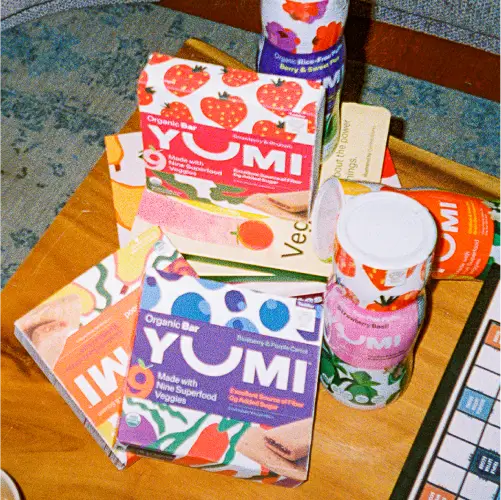
Bundles
It’s true, kids always need snacks
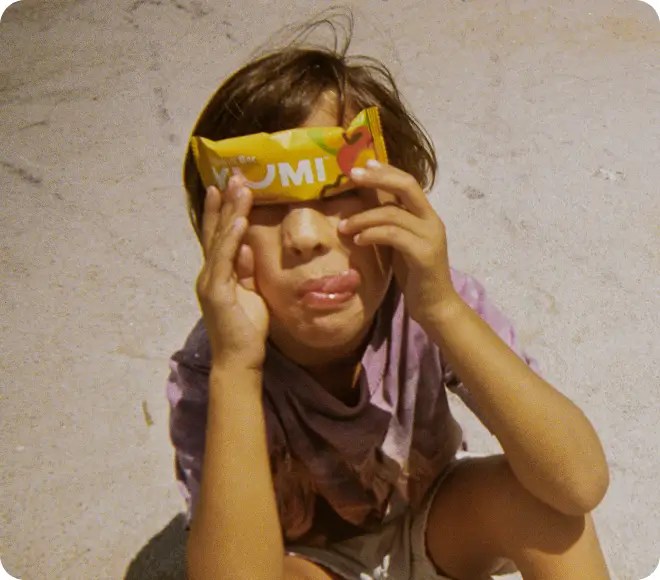
Organic Snacks Delivered When You Want Them
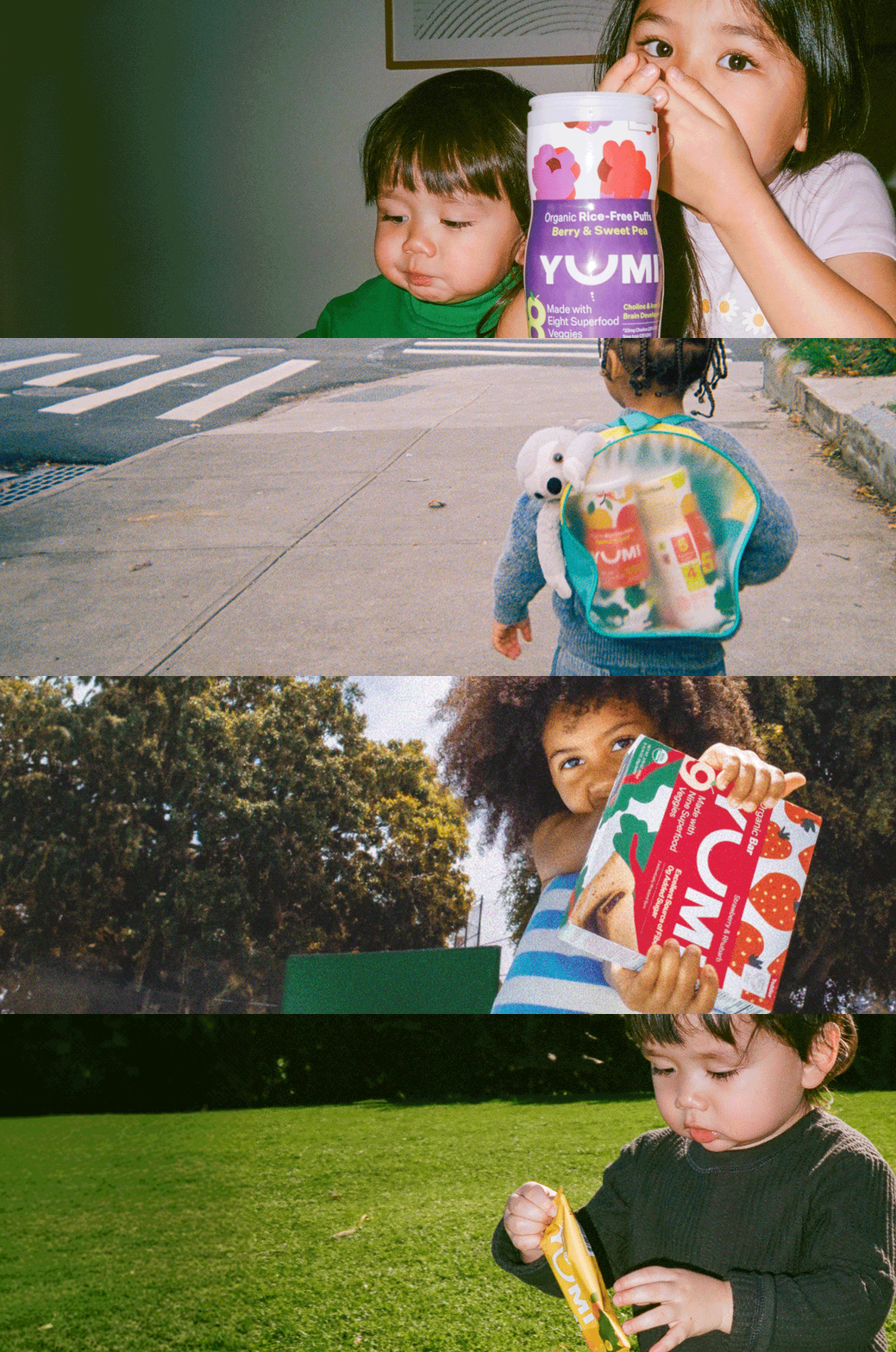
Field research confirms your kids ask for a snack 11 times an hour. Our YUMI Organic Bar is packed with as much iron as 2 cups of spinach (and 13 other essential nutrients), helping with hunger and that can I have a snack? problem.
Best Selling
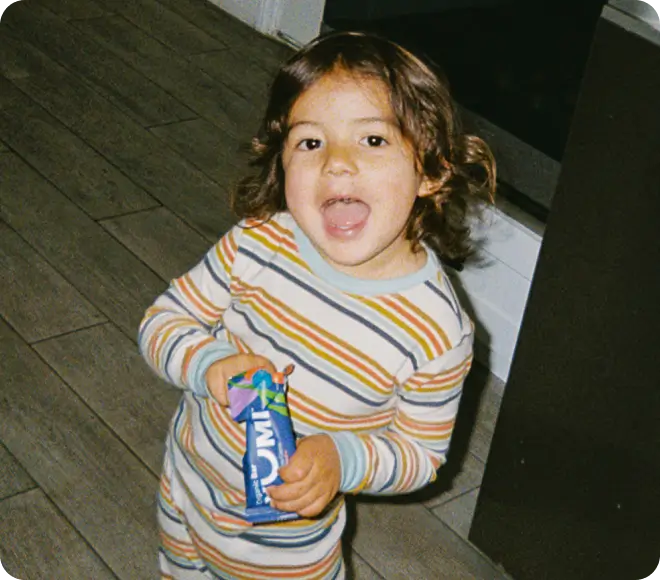
Organic Bar
Our YUMI Organic Bar is designed for development.
Packed with 13 essential nutrients, including as much iron as
2 cups of spinach and as much fiber as 1 cup of broccoli!
Certified Clean
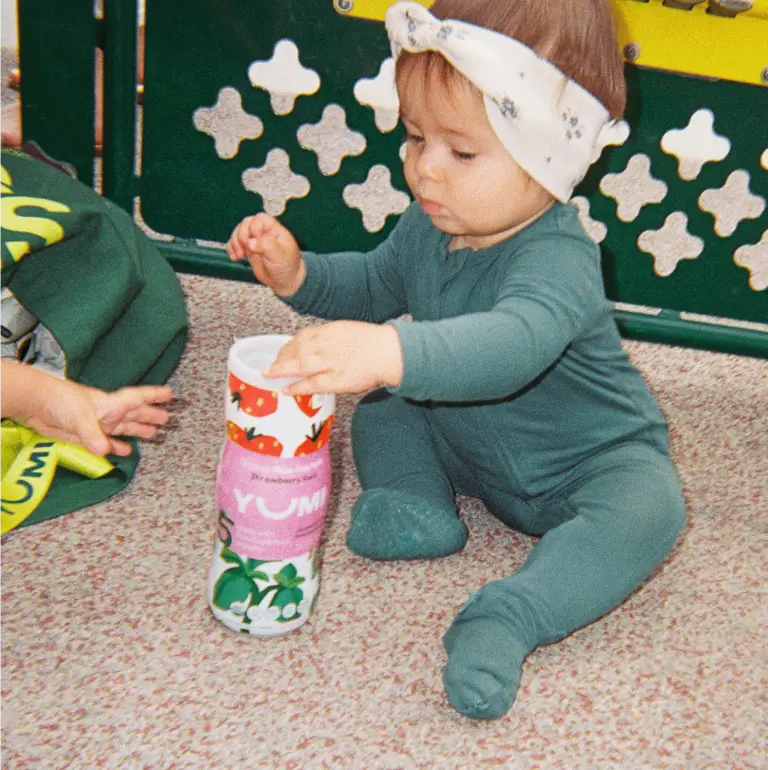
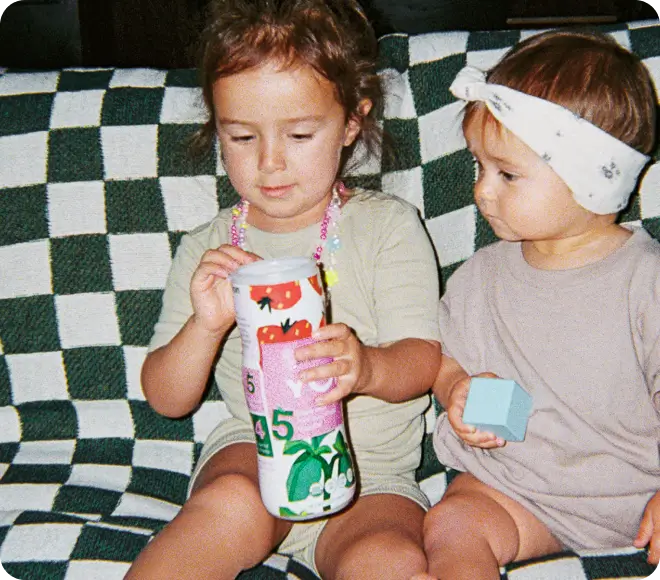
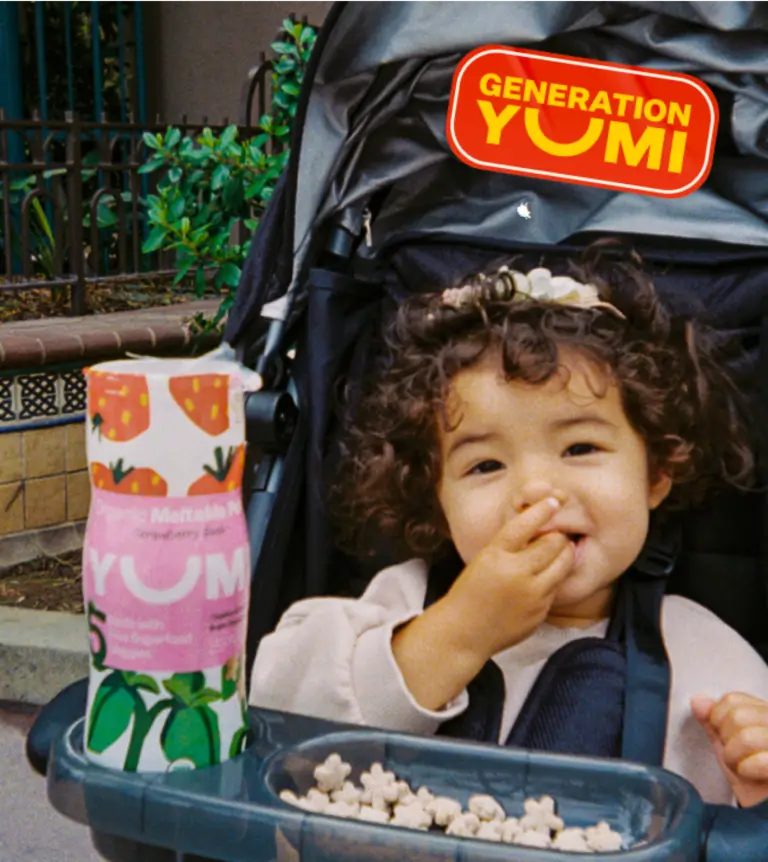
Rice Free Puff
Made with 5 superfood veggies and 4 essential nutrients, including choline and iron for developing brains. This is smart-snacking backed by science.





The first 1000 days
of your child’s life are the most important for their brain, body, metabolism, and immune system development. That’s why we wrote a book about it.
BPA Free
•
Gluten Free
•
Plant Based
•
Dairy Free
•
No Preservatives
•
Packed with nutrition
•
BPA Free
•
Gluten Free
•
Plant Based
•
Dairy Free
•
No Preservatives
•
Packed with nutrition
•
Let’s Nerd Out
“The first 1,000 days of a child’s life are crucial. We’ve seen the devastating effects when children don’t get the nutrients that they need. Key nutrients at key milestones are non-negotiable.”

Josette Sheeran
World Food Programme
“Everything your baby eats during this period is shaping their bodies–even their food preferences.”

Uma Pisharody
FAAP M.D.
“Too much sugar impairs children’s abilities to excel at their tasks, whether it’s building a tower of blocks at age two or taking standardized tests in the classroom at any age.”

Michael Goran
Sabab Research Institute
SUPERFOOD BARS
| Yumi | Earth’s Best | Sprout Organics | Plum Organics | Happy Baby | Cliff Kids | |
|---|---|---|---|---|---|---|
| Made with 8+ Superfoods |  | |||||
| No Sugar Added Ever! | | | ||||
| Rice-Free ALWAYS | | |||||
| Female-Founder Owned | | |||||
| Clean Label Project Certified | | |||||
| Certified Organic | | | | | | |
RICE-FREE PUFFS
| Yumi | Earth’s Best | Sprout Organics | Plum Organics | Happy Baby | |
|---|---|---|---|---|---|
| Made with 8+ Superfoods | | ||||
| No Sugar Added Ever! | | ||||
| Rice-Free ALWAYS | | ||||
| Female-Founder Owned | | ||||
| Clean Label Project Certified | | ||||
| Certified Organic | | | | | |


